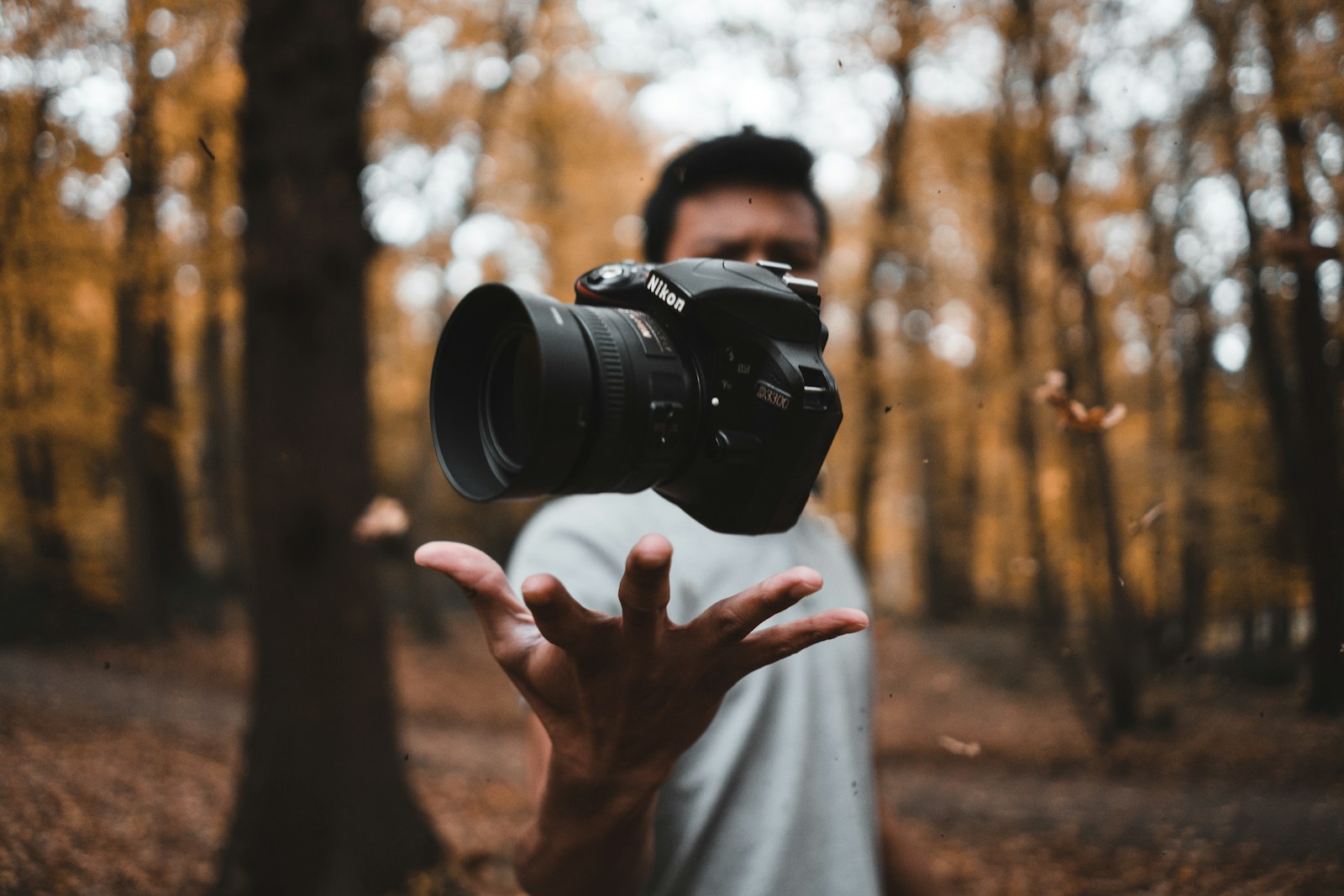
There's a particular kind of frustration that comes from looking at a photograph that is technically flawless — sharp where it should be sharp, correctly exposed, perfectly composed by every rule of thirds you learned in a tutorial — and feeling absolutely nothing while looking at it. It happens more often than most photographers are willing to admit, including to themselves.
The technical trap
Sharp lens. Fast, accurate autofocus. Clean high-ISO performance in low light. These things matter — but they're the floor of the craft, not the ceiling. Gear and settings can guarantee competence. They cannot guarantee that anyone looking at the resulting image will feel anything. The most technically perfect photograph in a portfolio is very often, quietly, also the most forgettable one in it.
A photograph is not what you see. It is what you felt the second before you pressed the shutter.
What actually makes a photograph work
Timing over composition
The decisive moment — the split second where an expression, a gesture, a piece of light all align — is a reflex a photographer develops over years, not a rule that can be applied consciously in the moment. Most photographers miss it precisely because they're focused on their settings instead of the room. You can't dial in "the moment" on a camera body. You can only be ready when it happens.
Light over location
Average light in an extraordinary location produces an average photograph, no matter how impressive the backdrop is. Extraordinary light in a completely ordinary space — a plain wall, a parking lot, a kitchen — can produce something worth actually hanging on a wall. Location is what a client's brief usually specifies. Light is what a photographer is actually responsible for noticing.
Connection before you click
Before we photograph anyone, we talk to them, genuinely, not as a formality before "the real work" starts. When a subject forgets the camera is in the room — because they're mid-thought, mid-laugh, actually present instead of posing — that's the frame that ends up mattering. Every technically perfect but lifeless photo we've ever taken was of someone who was still, somewhere in their body, aware they were being photographed.
None of this shows up on a spec sheet. It's the entire difference between a photograph that's correct and a photograph that's alive, and it's the reason two photographers with identical equipment, shooting the same subject in the same light, can walk away with completely different results.